

The Noble Burden: Honor in Aristocratic Governance
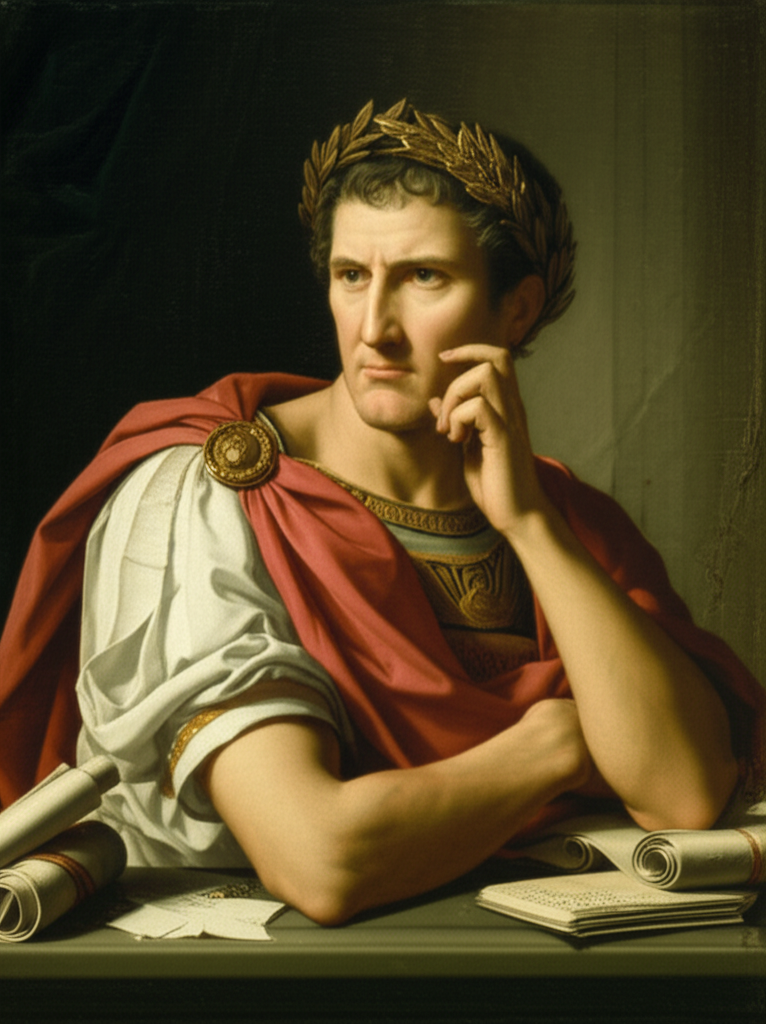
In the annals of political philosophy, few concepts are as intertwined yet fraught with complexity as aristocracy and honor. This article explores how the ideal of aristocratic rule, traditionally understood as the government of the "best," was profoundly shaped and justified by an inherent commitment to honor. Drawing from the foundational texts within the Great Books of the Western World, we delve into how honor served not merely as a personal virtue but as a critical pillar of governance, enforced and defined by deeply ingrained custom and convention.
The Ideal of Aristocracy: Rule of the Best
The term aristocracy originates from the Greek aristokratia, meaning "rule of the best." Philosophers like Plato, in his Republic, envisioned a state governed by philosopher-kings – individuals distinguished by their wisdom, justice, and courage. Aristotle, in his Politics, likewise considered aristocracy a virtuous form of government, where a few excellent citizens rule for the common good, contrasting it with oligarchy, which is rule by the wealthy for their own benefit.
For these thinkers, the "best" were not merely those of noble birth or immense wealth, but those possessing superior moral and intellectual virtues. Their right to govern stemmed from this inherent excellence, and their primary motivation was expected to be the welfare of the polis, rather than personal gain.
Honor: The Moral Compass of the Elite
Within this framework, honor emerged as the cardinal virtue, an internal and external barometer of an aristocrat's worth. It was more than reputation; it was a deeply ingrained sense of duty, integrity, and adherence to a strict moral code.
Key Components of Aristocratic Honor:
- Virtue (Arete): A commitment to excellence in all aspects – moral, intellectual, and physical. This included courage in battle, wisdom in counsel, and justice in judgment.
- Reputation (Doxa): The public acknowledgment and esteem for one's virtuous actions and adherence to the moral code. A loss of reputation was often seen as a loss of honor itself.
- Duty (Deon): The unwavering commitment to the welfare of the community and the state. An honorable aristocrat prioritized public service over personal ambition.
- Integrity: A consistency between one's words and deeds, upholding promises, and acting with truthfulness.
This concept of honor provided a moral compass, theoretically guiding the aristocracy to act in the best interests of the state and its citizens.
Honor and the Architecture of Government
The connection between honor and government in an aristocratic system was fundamental. The very legitimacy of aristocratic rule often rested on the premise that those in power were uniquely qualified by their virtue and their commitment to honorable conduct.
- Motivation for Public Service: The pursuit of honor, rather than wealth or power for its own sake, was supposed to motivate aristocrats to undertake the arduous responsibilities of governance.
- Accountability: While not democratic in the modern sense, a ruling class bound by honor faced a form of accountability – the judgment of their peers and the historical record. Dishonorable conduct could lead to social ostracism or political downfall.
- Justice and Stability: An honorable government was expected to administer justice fairly, maintain social order, and protect the state's interests, both internally and externally. The stability of the state was often directly linked to the perceived honor of its rulers.
However, the historical reality often diverged from this ideal. The pursuit of honor could devolve into mere pride or a rigid adherence to superficial codes, sometimes leading to conflict, feuds, and a neglect of the common good in favor of personal glory or class interests.
The Social Architecture of Honor: Custom and Convention
The concept of honor within aristocratic societies was not an abstract ideal floating in the ether; it was meticulously cultivated, enforced, and perpetuated through deeply ingrained custom and convention. These societal norms shaped behavior, defined expectations, and provided mechanisms for both reward and punishment.
Here are some ways custom and convention reinforced honor:
- Education and Upbringing: From a young age, aristocratic children were educated in the virtues deemed essential for their class. Stories of heroic ancestors, philosophical treatises, and practical training in leadership and warfare all instilled a profound sense of duty and the pursuit of excellence.
- Public Acclaim and Censure: Public opinion, social standing, and the judgment of one's peers were powerful forces. Acts of valor, wisdom, or justice were publicly celebrated, while acts of cowardice, deceit, or injustice were met with social opprobrium and potentially severe consequences.
- Chivalric Codes and Rituals: In various historical periods, elaborate codes of conduct, like those of medieval chivalry, dictated honorable behavior in war, love, and governance. Rituals such as tournaments, oaths, and even duels (though controversial) served to uphold these conventions.
- The Role of Family Lineage: Honor was often tied to family name and lineage. An individual's actions reflected not only on themselves but on their ancestors and descendants, creating a powerful incentive to uphold the family's honor.
- Patronage and Clientage: The reciprocal relationships between patrons and clients, often seen in aristocratic societies, were governed by unwritten codes of loyalty, protection, and service, all underpinned by a sense of honor.
The Enduring Legacy and Its Challenges
While the classical ideal of aristocracy has largely been supplanted by democratic forms of government, the philosophical questions it raises about honor endure. How do we ensure that those in power are motivated by something beyond self-interest? What role do societal custom and convention play in shaping the ethical conduct of leaders?
The concept of honor, once the exclusive domain of a ruling elite, has evolved. Modern societies grapple with how to instill integrity and public service in their leaders, often seeking to democratize the very virtues once ascribed solely to the "best." The legacy of aristocratic honor, therefore, serves as a poignant reminder of the enduring human aspiration for virtuous leadership, even as its historical manifestations reveal the complexities and pitfalls of power.
YouTube: "Plato's Republic Aristocracy"
YouTube: "Aristotle Politics Forms of Government"
📹 Related Video: What is Philosophy?
Video by: The School of Life
💡 Want different videos? Search YouTube for: "Aristocracy and the Concept of Honor philosophy"