

Aristocracy and the Concept of Honor: A Philosophical Intertwining
The concept of aristocracy, often understood as the "rule of the best," is profoundly and historically intertwined with the notion of honor. This article explores how honor served not merely as a social embellishment but as a foundational pillar for aristocratic government, shaping its ethos, decision-making, and the very identity of its ruling class. Drawing from the rich tapestry of Western philosophical thought, particularly as presented in the Great Books, we will delve into how Custom and Convention enshrined honor as an essential virtue, distinguishing the noble from the common and dictating the responsibilities of leadership.
The Foundations: Defining Aristocracy and Honor
To truly grasp their intricate relationship, we must first establish a clear understanding of each term within a philosophical context.
What is Aristocracy?
Aristocracy, from the Greek aristokratia, literally means "rule of the best." Philosophers like Plato, in his Republic, envisioned an ideal state governed by "philosopher kings" – individuals distinguished not by birthright alone, but by superior wisdom, virtue, and a dedication to justice. Aristotle, in his Politics, distinguished aristocracy from oligarchy by emphasizing that the former aims at the common good, while the latter serves the wealthy few. Historically, however, aristocracy often manifested as hereditary rule, where "nobility" was inherited, yet still carried the expectation of superior conduct and a commitment to public service.
What is Honor?
Honor is a multifaceted concept, encompassing both an internal moral compass and external social recognition. It is the esteem in which an individual is held by others, based on their perceived adherence to a code of conduct, courage, integrity, and achievement. For the aristocratic class, honor was not merely a personal attribute; it was a collective asset, a family legacy, and a prerequisite for legitimate rule. It often manifested as:
- Reputation: The public perception of one's character and deeds.
- Integrity: Adherence to moral principles, even in the face of adversity.
- Courage: Especially in battle or in defending one's principles.
- Service: A commitment to the welfare of the community or state.
- Propriety: Adherence to established social Custom and Convention.
The Indissoluble Link: Honor as the Aristocratic Imperative
For the aristocracy, honor was not optional; it was the very essence of their claim to rule. Unlike other forms of government that might rely on force or wealth, an aristocracy's legitimacy was deeply rooted in the belief that its members were honorable – that they possessed superior virtues that qualified them to lead.
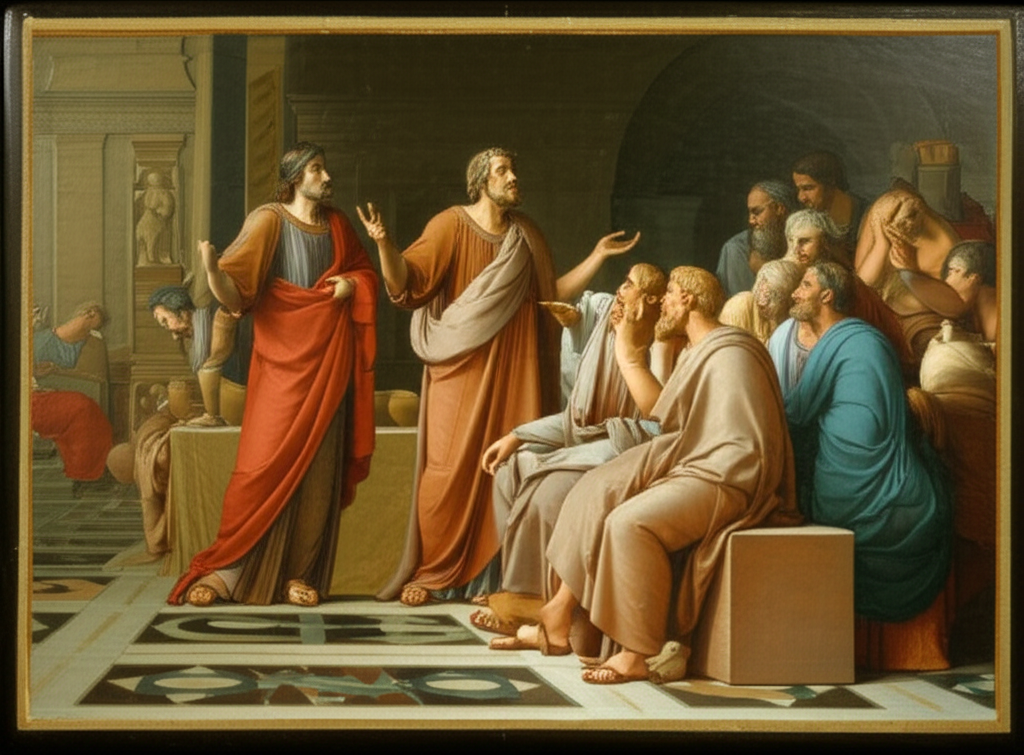
This imperative was reinforced by:
- Social Expectations: Aristocrats were expected to embody virtues like magnanimity, temperance, justice, and wisdom. Failure to do so brought shame not just upon the individual, but upon their lineage.
- Political Legitimacy: A ruler without honor was seen as a tyrant or an oligarch, illegitimate and unworthy of their position. Honor provided the moral authority necessary for effective governance.
- Personal Identity: For many, their honor was more valuable than life itself. Duels, acts of self-sacrifice, and unwavering loyalty were manifestations of this deep-seated commitment.
Custom and Convention: The Architects of Aristocratic Honor
The mechanisms through which honor was cultivated and maintained within an aristocratic society were largely dependent on Custom and Convention. These unwritten rules dictated everything from proper etiquette to codes of warfare, ensuring that the ruling class adhered to a shared standard.
Consider these aspects:
- Education: Young aristocrats were rigorously educated in rhetoric, philosophy, martial arts, and the history of their ancestors' glorious deeds. This education instilled the values of honor and prepared them for leadership.
- Rituals and Ceremonies: Public ceremonies, knighting rituals, and formal assemblies reinforced the importance of honor, publicly acknowledging virtuous acts and shaming transgressions.
- Social Ostracism: Those who violated the code of honor faced severe social consequences, ranging from public disgrace to expulsion from aristocratic circles, effectively stripping them of their influence and legitimacy.
- Narratives and Epics: Stories of heroic ancestors and legendary figures served as moral exemplars, shaping the ideals of honor for successive generations.
Honor in Government: Guiding the Ship of State
The concept of honor profoundly influenced the practicalities of aristocratic government. Decisions were often weighed not just by their practical outcome, but by how they would reflect on the honor of the individuals and the state.
Here's how honor manifested in governance:
- Justice: An honorable ruler was expected to administer justice fairly, protect the weak, and uphold the law, even against personal interest.
- Warfare: Honor dictated rules of engagement, treatment of prisoners, and the pursuit of glory in battle. Cowardice was an unforgivable stain.
- Diplomacy: Treaties and alliances were often based on the personal honor of the leaders involved, with a breach of word being a grave offense.
- Public Service: The pursuit of public office was often framed as a duty, a noble sacrifice for the common good, rather than a means to personal enrichment.
The Evolution and Enduring Echoes
As societies evolved, the strictures of aristocratic honor faced challenges. The rise of democratic ideals, the shift from land-based wealth to commerce, and new philosophical perspectives on individual rights gradually reshaped the political landscape. While the overt system of aristocracy as a form of government largely faded in many parts of the world, the underlying concept of honor did not disappear. It transmuted, finding new expressions in professional ethics, military codes, and the expectations placed on public servants in modern democracies. The legacy of aristocratic honor, therefore, continues to inform our understanding of leadership, responsibility, and the moral demands of public life.
YouTube Video Suggestions:
-
📹 Related Video: PLATO ON: The Allegory of the Cave
Video by: The School of Life
💡 Want different videos? Search YouTube for: "Plato Aristotle Forms of Government Ethics"
-
📹 Related Video: What is Philosophy?
Video by: The School of Life
💡 Want different videos? Search YouTube for: "History of Honor Codes Western Philosophy"