

Aristocracy and the Concept of Honor: A Philosophical Inquiry
The concept of aristocracy, traditionally understood as the "rule of the best," is inextricably linked to the notion of honor. This article explores how honor served as the foundational virtue and guiding principle for aristocratic government, shaping not only individual conduct but also the very fabric of society through custom and convention. From ancient Greek city-states to European monarchies, the pursuit and preservation of honor defined the aristocratic class, distinguishing it from other forms of rule and establishing a demanding code of conduct for its members.
The Noble Ideal: Aristocracy and Its Virtuous Core
Historically, aristocracy was envisioned not merely as rule by a privileged few, but by those deemed "aristos" – the most excellent, virtuous, or capable. This ideal often encompassed qualities far beyond mere lineage or wealth.
What is Aristocracy? More Than Just Birthright
While modern parlance often associates aristocracy solely with inherited titles and social standing, its philosophical roots delve deeper. Thinkers in the Great Books of the Western World tradition, from Plato to Aristotle, explored ideal forms of government where leadership was entrusted to those possessing superior wisdom, courage, and justice. In this context, an aristocrat was someone whose character and actions exemplified the highest virtues, making them naturally fit to govern.
Key Characteristics of Philosophical Aristocracy:
- Rule by Virtue: Emphasis on moral and intellectual excellence.
- Public Service: Leaders commit to the welfare of the state above personal gain.
- Merit-Based (Ideally): Though often intertwined with birth, the ideal always pointed to merit.
- Upholding Justice: Ensuring fairness and order within the community.
Honor: The Lifeblood of the Aristocratic Ethos
At the heart of this ideal aristocracy lay the concept of honor. Honor was not simply a feeling of pride; it was an external recognition of internal virtue, a public affirmation of one's worth and adherence to a strict moral code.
Custom, Convention, and the Code of Conduct
The elaborate systems of custom and convention that governed aristocratic societies were meticulously designed to cultivate and preserve honor. For an aristocrat, honor was paramount – more valuable than life itself. It dictated behavior in battle, in court, and in social interactions.
Facets of Aristocratic Honor:
- Integrity: Upholding one's word and commitments.
- Courage: Demonstrating bravery in the face of danger, especially in defense of the state or one's reputation.
- Magnanimity: Generosity, nobility of spirit, and a disdain for pettiness.
- Duty: A strong sense of obligation to family, community, and the state.
- Reputation: The public perception of one's adherence to these virtues. A stain on one's honor could be catastrophic, leading to social ostracization or even duels.
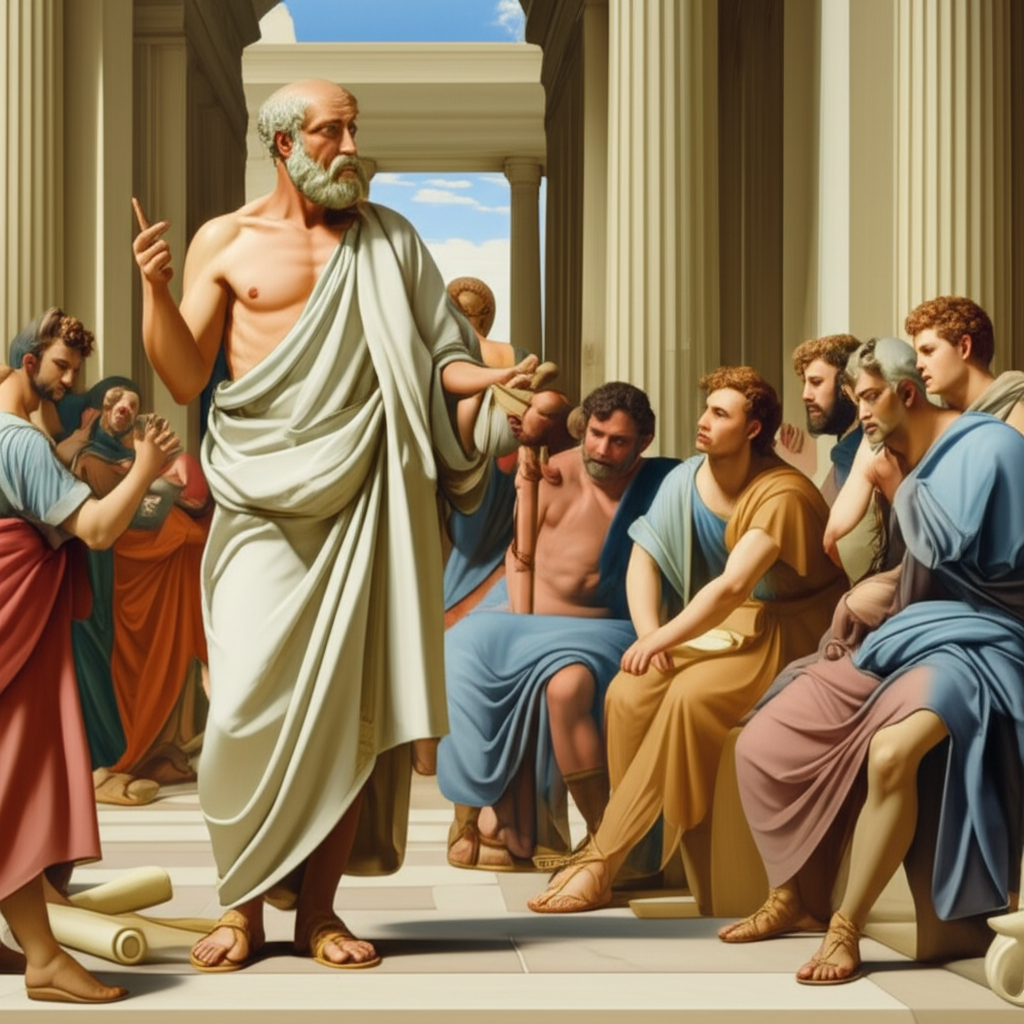
Philosophical Echoes: Great Minds on Honor and Government
The Great Books of the Western World provide extensive insights into the relationship between honor, virtue, and effective government.
- Plato: In his Republic, Plato's guardian class, the "philosopher-kings," embodies a form of intellectual aristocracy. Their training is rigorous, designed to cultivate wisdom and courage, placing the good of the polis above all else. Their honor is derived from their unwavering commitment to justice and truth.
- Aristotle: Aristotle's Nicomachean Ethics delves into the virtues essential for a good life and, by extension, good leadership. He discusses "magnanimity" (greatness of soul) as a virtue of the great-souled man, who is worthy of great honor. For Aristotle, the best forms of government (including true aristocracy) depend on citizens and leaders cultivating these virtues.
- Cicero: The Roman statesman and philosopher emphasized the importance of virtus (virtue, manliness, excellence) and dignitas (dignity, prestige, honor) for public life. For Cicero, a leader's honor was tied to their integrity, service to the Republic, and adherence to moral law.
These thinkers underscore that for aristocracy to be legitimate and effective, it required a profound commitment to a code of honor that transcended mere self-interest, binding rulers to a higher standard of conduct and public service.
The Enduring Legacy and Its Modern Questions
While the traditional concept of aristocracy has largely faded in modern government, the philosophical questions it raises about leadership, virtue, and honor remain relevant. We still ask: What qualities should our leaders possess? How do we ensure accountability and integrity in public life? The aristocratic ideal, with its emphasis on honor, serves as a potent reminder of the demanding moral standards historically expected of those who govern. The evolution of custom and convention has shifted what constitutes "honor" in leadership, but the underlying need for trust, integrity, and a commitment to the common good persists.
Conclusion: A Complex Heritage
The intricate dance between aristocracy and honor reveals a foundational aspect of political philosophy. It highlights how custom and convention can forge a powerful ethos, demanding self-sacrifice and virtue from those in power. While the specific structures of aristocratic government may be relegated to history, the philosophical examination of honor as a prerequisite for leadership continues to offer profound insights into the qualities we seek in our "best" – whoever they may be.
YouTube Video Suggestions:
-
📹 Related Video: PLATO ON: The Allegory of the Cave
Video by: The School of Life
💡 Want different videos? Search YouTube for: "Plato Republic aristocracy honor"
-
📹 Related Video: ARISTOTLE ON: The Nicomachean Ethics
Video by: The School of Life
💡 Want different videos? Search YouTube for: "Aristotle Nicomachean Ethics virtue politics"