

Aristocracy and the Concept of Honor: A Philosophical Examination
The concept of honor, once the very bedrock of aristocracy and the guiding star for its government, often feels anachronistic in our modern, ostensibly egalitarian societies. Yet, to dismiss it out of hand is to overlook a profound philosophical construct that shaped political thought, social structures, and individual conduct for millennia. This article delves into the intricate relationship between aristocratic rule and the pervasive, often demanding, code of honor that defined it, exploring how custom and convention enshrined this virtue as the ultimate measure of a ruling class, and the enduring questions it poses about leadership, duty, and the pursuit of excellence.
The Genesis of Aristocracy: Rule by the "Best"
When we speak of aristocracy, we are not merely referring to a system of hereditary privilege, though that often became its practical manifestation. Philosophically, as explored in the Great Books of the Western World, the term originates from the Greek aristokratia, meaning "rule by the best." This implies a selection based on virtue, wisdom, and a profound commitment to the common good. Plato’s guardians in The Republic, for instance, represent an idealized aristocracy, chosen for their intellectual and moral superiority, trained to rule not for personal gain but for the welfare of the polis.
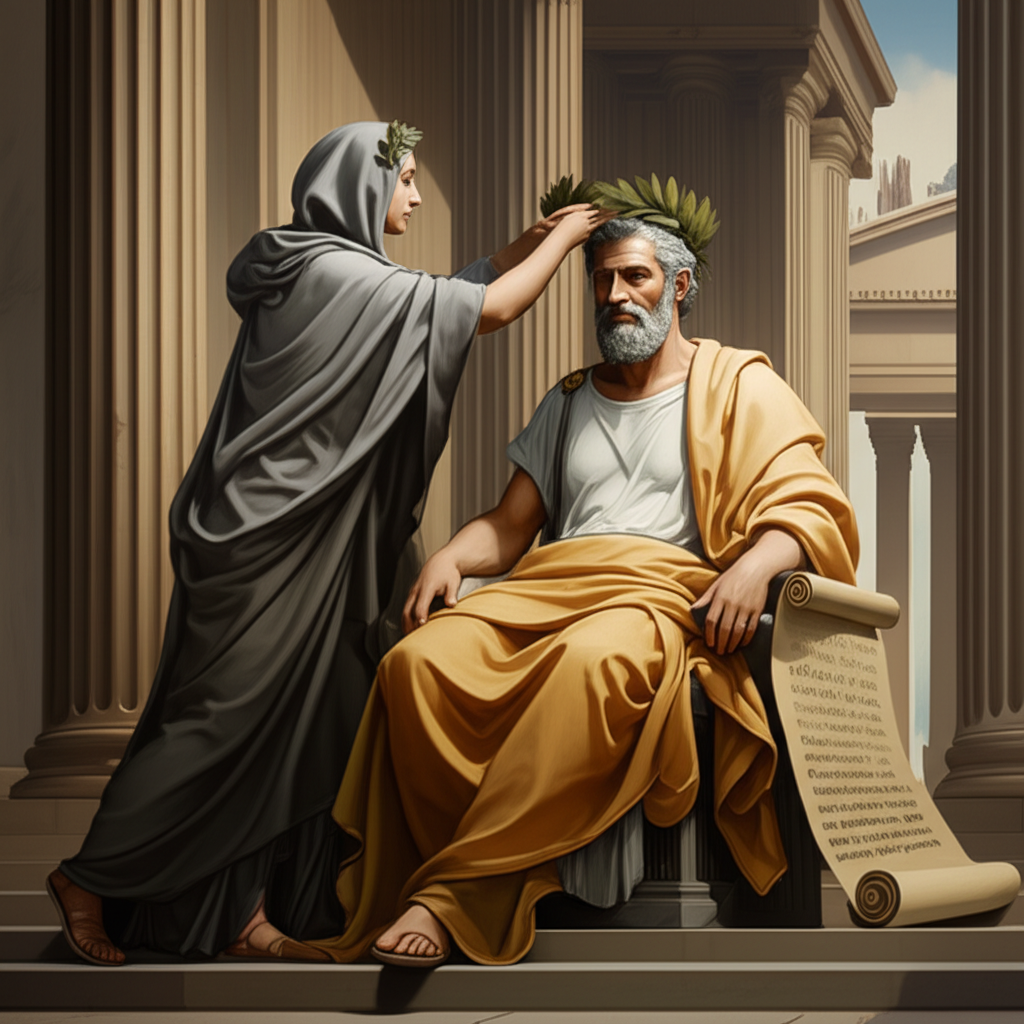
It was in this context that honor emerged as the cardinal virtue, the very essence of what it meant to be "the best." It was a public acknowledgment of worth, a social currency earned through exemplary conduct, courage in battle, wisdom in counsel, and an unyielding adherence to a code of justice.
Honor as the Governing Principle
For an aristocracy, honor was more than a personal attribute; it was a political imperative. The legitimacy of their rule, particularly in its earlier forms, often rested on the perception that they were indeed more honorable, more capable, and more devoted to the state than others.
The Role of Honor in Aristocratic Government:
- Legitimacy: A ruler’s or ruling class’s claim to authority was bolstered by their perceived honor, which implied trustworthiness and dedication.
- Decision-Making: Honorable leaders were expected to make decisions based on justice and the long-term good of the state, rather than personal enrichment or fleeting popular opinion.
- Self-Regulation: The fear of dishonor served as a potent check on arbitrary power and corruption. Public shame, ostracism, or the loss of status could be more terrifying than legal penalties.
- Leadership in Crisis: Honorable aristocrats were expected to lead by example, particularly in times of war or societal upheaval, demonstrating courage and sacrifice.
This ethos permeated every aspect of government, from the battlefield to the council chambers. The magnanimous man, as described by Aristotle, was the embodiment of this ideal – one who "claims much and deserves much," possessing great virtues and a proper sense of his own worth, but always acting with a view towards noble ends.
Custom and Convention: Forging the Code of Honor
The elaborate codes of honor were not innate; they were meticulously cultivated through custom and convention. From childhood, aristocratic individuals were steeped in traditions, rituals, and narratives that reinforced the paramount importance of honor.
Mechanisms of Honor Cultivation:
- Education: Training in martial arts, rhetoric, philosophy, and the classics, often emphasizing heroic deeds and moral exemplars.
- Social Rituals: Duels, ceremonies, oaths, and public declarations that bound individuals to their word and their class.
- Family Lineage: The honor of one's ancestors served as both an inspiration and a burden, compelling descendants to uphold or surpass their reputation.
- Peer Pressure: Intense scrutiny from one's equals ensured adherence to the unwritten rules, with social exclusion being a powerful deterrent for transgression.
- Narrative & Storytelling: Epics, tragedies, and historical accounts glorified honorable acts and condemned dishonorable ones, shaping collective memory and moral imagination.
These societal mechanisms ensured that the pursuit of honor became an internalized drive, a moral compass guiding action even in the absence of external enforcement. The aristocratic life was, in many ways, a performance for an audience of peers and posterity, where the ultimate reward was an unblemished reputation.
The Enduring Philosophical Questions
While the overt political dominance of aristocracy has waned in most parts of the world, the philosophical questions raised by its relationship with honor remain pertinent.
- Can a society truly flourish without some form of honor guiding its leaders?
- What replaces the self-regulating mechanism of honor in modern government?
- Are there contemporary equivalents to custom and convention that instill a sense of duty and integrity in our elites?
- Is the pursuit of individual excellence, untethered from a collective code of honor, inherently less virtuous?
These are not trivial inquiries. They force us to consider the underlying motivations for public service, the standards by which we judge our leaders, and the very nature of virtue in a complex world. The aristocratic concept of honor, for all its historical baggage, offers a powerful lens through which to examine these timeless concerns.
📹 Related Video: PLATO ON: The Allegory of the Cave
Video by: The School of Life
💡 Want different videos? Search YouTube for: ""Plato's Republic Guardians Philosophy""
📹 Related Video: ARISTOTLE ON: The Nicomachean Ethics
Video by: The School of Life
💡 Want different videos? Search YouTube for: ""Aristotle Nicomachean Ethics Magnanimous Man""