

Agreed!
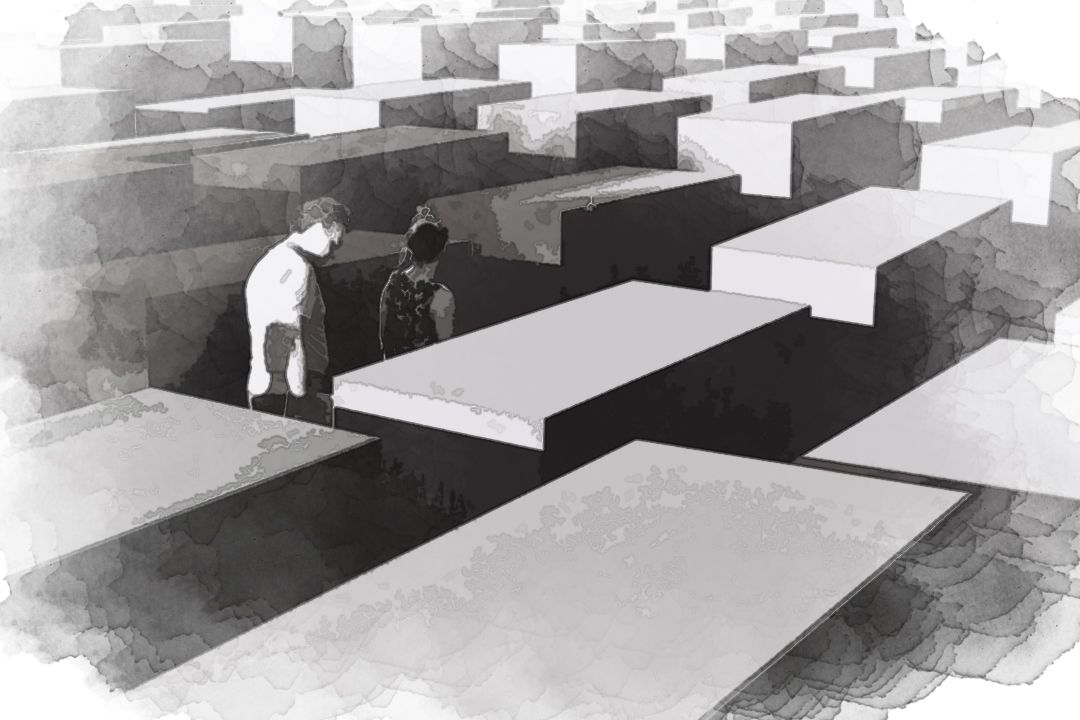
Romanticizing the Rembrancer Only
Setting: A serene, timeless garden. A simple stone bench sits beside a placid reflecting pool. SOPHIA, robed in twilight hues, sits calmly. BARUCH, a man with keen and thoughtful eyes, approaches and sits beside her.
Sophia: Welcome, Baruch. You have been watching them again, haven’t you? Tell me what you see in their gaze as they look back.
Baruch: I see a deep and profound affection, Sophia. But it is a misplaced one. They look upon the pool of what has been, and they do not study the depths. Instead, they fall in love with their own reflection on the surface. They celebrate the act of remembering more than the substance of what is remembered.
Sophia: They romanticize the one who recalls, but not the recollection itself. A dangerous comfort. They build a shrine to the feeling of nostalgia, believing the warmth it provides is the same as the light of understanding.
If you want the present to be different from the past, study the past.
— Baruch Spinoza (1632-1677)
Baruch: Exactly. They speak of wanting a future that does not repeat the errors of their history. Yet, they treat that history as a finished painting to be admired from a distance—praising its golden hues or lamenting its shadows. They wish for a different journey ahead while only ever looking at a portrait of the old path.
Sophia: To change the course of a river, one cannot simply admire it from the bank. One must understand its currents, its bed, the sources of its water. One must engage with the very mechanics of its flow.
Baruch: And that is the essential point they miss. They believe that by feeling strongly enough about what came before, they can will a new reality into being. But emotion without comprehension is a ship without a rudder. If they genuinely seek a present that diverges from what has been, they have no choice but to take the past apart, piece by piece, like a watchmaker. They must see its gears, its springs, and understand the precise reasons it ticks the way it does.
Sophia: So, to craft a new timepiece, they must first become masters of the old one. To truly move forward, they must have the courage to look back not with a sigh, but with a lens. Not as poets of memory, but as scholars of causation.
Baruch: Precisely. The past is not a sanctuary for our sentimentality. It is a classroom. And the lesson it offers is the blueprint for how to build something different. To ignore that lesson, to simply cherish the image of oneself as a student of memory, is to guarantee that the same structures will be built again and again, only perhaps with a different coat of paint.
Sophia: Then the choice is between two gazes: one that looks at the past and sees only a reflection of the self, lost in the romance of remembering...
Baruch: ...and one that looks into the past and sees the intricate machinery of consequence, ready to be studied, understood, and, with effort, re-engineered for a better present. The first is a beautiful prison. The second is a difficult path to freedom.
The planksip Writers' Cooperative is proud to sponsor an exciting article rewriting competition where you can win part of over $750,000 in available prize money.
Figures of Speech Collection Personified
Our editorial instructions for your contest submission are simple: incorporate the quotes and imagery from the above article into your submission.
What emerges is entirely up to you!
Winners receive $500 per winning entry multiplied by the article's featured quotes. Our largest prize is $8,000 for rewriting the following article;
 Heraclitus
At planksip, we believe in changing the way people engage—at least, that's the Idea (ἰδέα). By becoming a member of our thought-provoking community, you'll have the chance to win incredible prizes and access our extensive network of media outlets, which will amplify your voice as a thought leader. Your membership truly matters!