

Action Potentials Normally Aspirated
The Conceptual Self-Driving Car
Setting: A serene, minimalist terrace suspended in a twilight dotted with nascent stars. Three figures are seated in comfortable chairs: SOPHIA, robed in shimmering grey, her presence calm and ancient; ADAM, a man with kind, analytical eyes, dressed in the fashion of the 18th century; and STEPHEN, whose physical form is still but whose gaze darts across the cosmos with vibrant energy.
Sophia: Gentlemen, thank you for joining me. I have been pondering a metaphor for the human condition, and I value your perspectives. Imagine, if you will, that all of humanity is a passenger in a single, conceptual self-driving car. It moves perpetually forward. My question is simple: who programmed its destination, and do we have any control over the journey? Adam, your work was so concerned with the systems that guide us. What do you see from the passenger seat?
Adam: (Leans forward, steepling his fingers) I see a vehicle of exquisite design, Sophia, yet with a deeply flawed navigation system. It offers different routes, different comforts, to different passengers based on the seat they were assigned at the start of the journey. But the most profound injustice is not the unequal distribution of window seats or legroom. It's the software itself. For those in the back, the system is designed to shrink their world. It doesn't just show them a limited map; over time, it erodes their very ability to imagine other landscapes, other horizons. The true and lasting damage of being in the less-favored seats is the engineered starvation of the desire to ever reach a better place. The vehicle cripples their will to even dream of grabbing the wheel.
The real tragedy of the poor is the poverty of their aspirations.
— Adam Smith (1723-1790)
Sophia: So you believe the tragedy is in the programming of our ambitions, a limitation imposed from within the car’s own social mechanics. Stephen, you spent your life looking outside the vehicle, at the very fabric of the road it travels on. Do you agree that the car's internal code is the primary force at play?
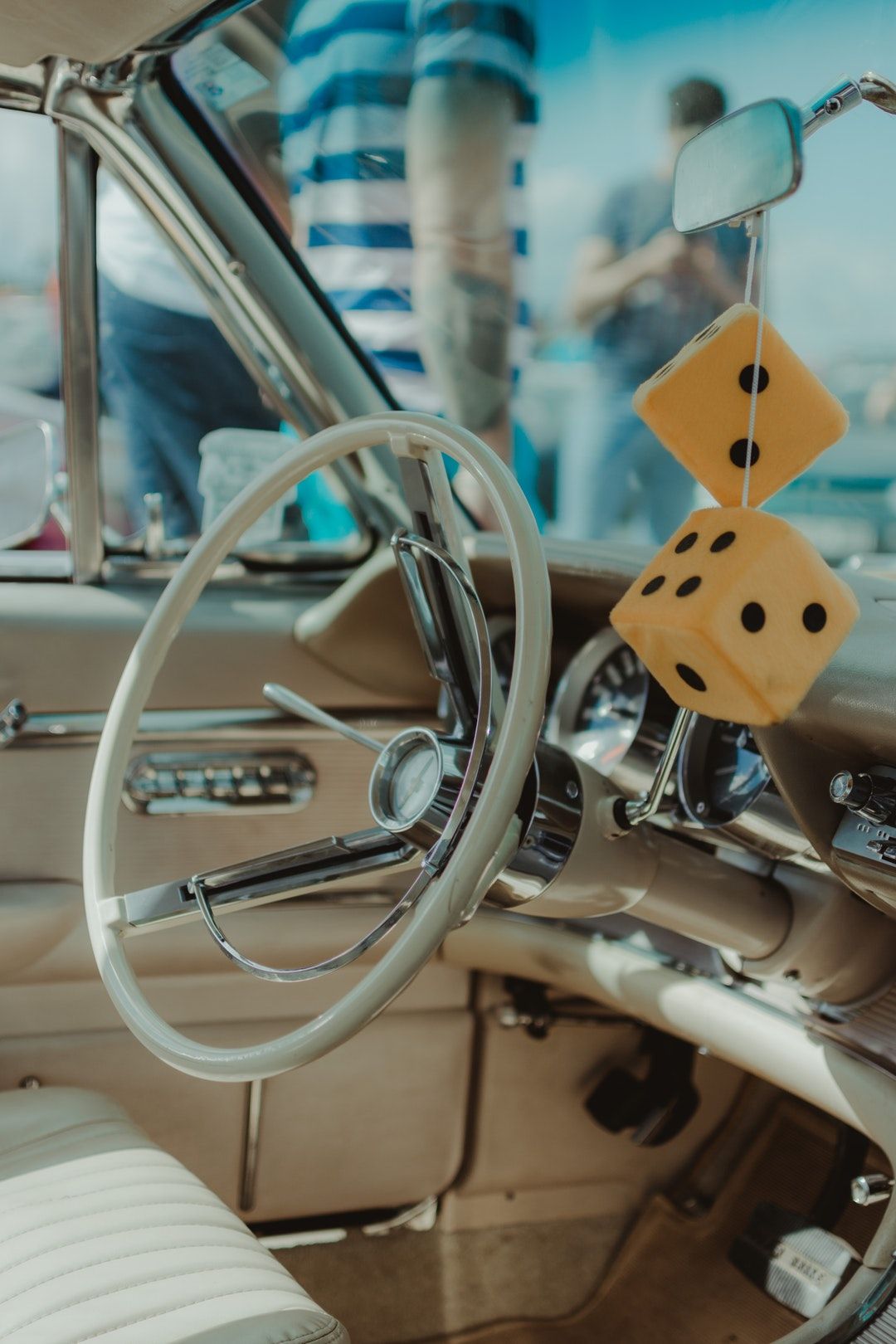
Stephen: (A synthesized voice, full of warmth and wit, emanates from a device on his chair) Adam describes the car’s interior with perfect clarity. He sees the human-written code, the traffic laws we impose on ourselves. But I am watching the road itself, and it is not as predictable as his model suggests. The universe that builds the road is not a deterministic engineer. It is a gambler. And it is not merely casting dice to decide if we should turn left or right at the next nebula. It is often casting them into a black hole, where the outcome is fundamentally hidden from us. We are bound by a randomness so profound we cannot even observe the roll. The car might swerve, accelerate, or stop for reasons that are not just unknown, but literally unknowable. The destination isn't just programmed by us; it's subject to the whims of a cosmic game whose rules we can never fully read.
Adam: But Stephen, a person whose map shows only a single, dreary road ahead is not concerned with the quantum foam on which that road is built! Their immediate confinement is the programming, the system that tells them this is all there is. We must focus on the code we can rewrite.
Stephen: And I would argue, Adam, that the very existence of that dreary road is a product of a billion cosmic dice rolls that led to you, me, and the road itself. Your laudable desire to fix the internal software is still subject to the fundamental uncertainty of the hardware it runs on. A sudden, random swerve could render all your new programming moot.
Not only does God play dice, but... he sometimes throws them where they cannot be seen.
— Stephen Hawking (1942-2018)
Sophia: (Raises a hand, a gesture of gentle conclusion) And here, I believe, we find the crux of our journey in the conceptual car. Adam, you wisely see the visible cages we build for ourselves and for others—the programmed limitations on aspiration that we must fight. You see the ghost in the machine. Stephen, you wisely see the fundamental, invisible uncertainty of existence itself—the machine in the ghost.
She gestures out at the star-filled expanse.
Sophia: You are both correct. We are passengers in a vehicle guided by knowable, often unjust, internal systems, all while traveling on a road governed by unknowable, cosmic chance. Perhaps true wisdom isn't about fighting for the steering wheel, for control may be an illusion. Perhaps it is about striving to rewrite the code of our own hearts and the maps we offer to others, instilling in them the courage to aspire to magnificent destinations, all while having the grace to accept that a single, unseen roll of the dice may change our course in a way we can never predict. It is the dignity of the journey—the act of navigating with purpose—within a car we don't control, on a road we can't fully comprehend.
The planksip Writers' Cooperative is proud to sponsor an exciting article rewriting competition where you can win part of over $750,000 in available prize money.
Figures of Speech Collection Personified
Our editorial instructions for your contest submission are simple: incorporate the quotes and imagery from the above article into your submission.
What emerges is entirely up to you!
Winners receive $500 per winning entry multiplied by the article's featured quotes. Our largest prize is $8,000 for rewriting the following article;
 Heraclitus
At planksip, we believe in changing the way people engage—at least, that's the Idea (ἰδέα). By becoming a member of our thought-provoking community, you'll have the chance to win incredible prizes and access our extensive network of media outlets, which will amplify your voice as a thought leader. Your membership truly matters!